How to Sell a Home with an ADU in Orange County
Selling a home with an ADU isn't the same as selling a regular home. You have two types of buyers fighting for your property — investors who want cash flow and families who want space. That means your marketing, pricing, and preparation need to reflect the full value of what you've built.
Here's what you need to know to sell your ADU property for top dollar in Orange County.
How Is My Home with an ADU Valued?
Most homes with ADUs are valued by looking at recent sales of similar ADU properties within a half-mile radius. If there aren't enough comparable ADU sales nearby, appraisers can use the replacement cost method — what it would cost to build your ADU from scratch today.
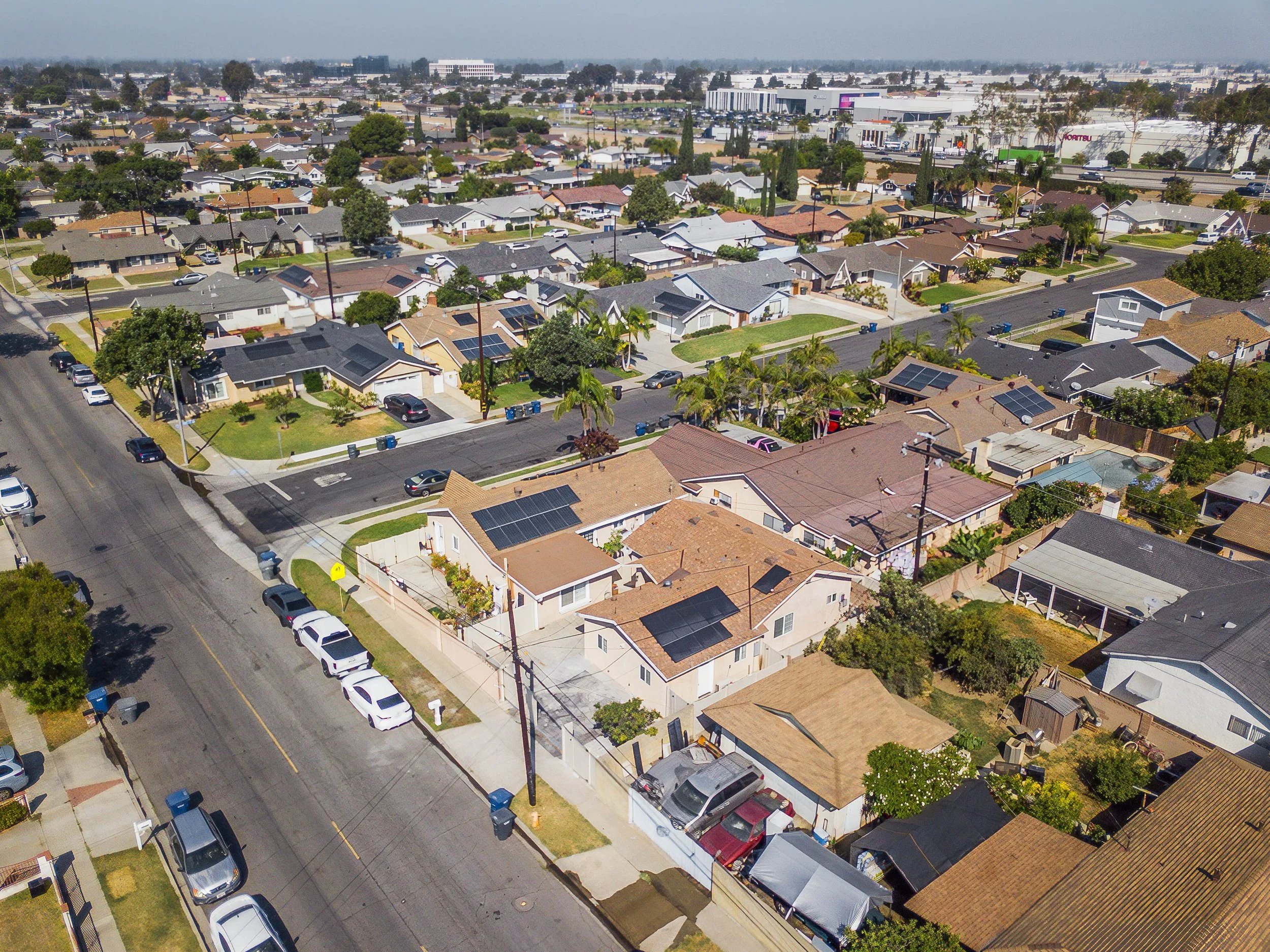
In Orange County, where the median home price is over $1.2 million and construction costs run high, a well-built, permitted ADU adds real value. The upgrades that matter most to appraisers and buyers:
Legal permits with final city inspection sign-off
Separate utility meters (electric, gas, water)
Private entrance with its own address
Full kitchen — not a kitchenette
Dedicated parking for the ADU tenant
Quality finishes that match or exceed the main home
Properties missing permits or with unpermitted modifications appraise lower and scare off lenders — which shrinks your buyer pool and weakens your offers.
Both. And that's your biggest advantage as a seller.
Investor buyers are typically experienced property owners looking to add cash-flowing assets to their portfolio. They want permitted ADUs with tenants already in place, documented rental income, and clean financials. Cities like Anaheim, Santa Ana, and Garden Grove see the strongest investor demand.
Family buyers want multigenerational living — a place for aging parents, adult children, or a caregiver. They care more about layout, privacy between units, and overall condition. Family demand is strongest in Fullerton, Brea, Yorba Linda, and Irvine.
The best sale outcomes happen when we market to both buyer pools at the same time. Competition between buyer types drives offers up.
Who Is Buying Homes with ADUs — Investors, Families, or Both?
Documentation is where ADU sales either sail through escrow or stall. Buyers and lenders need proof your ADU was legally built and properly permitted. Missing paperwork = lower offers or buyers walking away.
The 3 Most Important Documents:
Original building permit and final inspection approval
Certificate of occupancy
Architectural floor plans and site plan
What Documents Do I Need Before I List?
Should I Sell with Tenants in Place or Vacant?
This is one of the biggest decisions you'll make. Here's how we break it down:
Tier 1: Sell Vacant — Highest Sale Price
Delivering your property vacant typically gets you the highest sale price and the widest buyer pool. Most buyers — whether investors or families — prefer vetting their own tenants rather than inheriting someone else's. Selling vacant gives the new owner full flexibility: they can screen renters to their own standards, set their own lease terms, or move in themselves.
This is especially true in family-oriented neighborhoods like Fullerton, Brea, Yorba Linda, and Irvine where owner-occupants and multigenerational buyers don't want to deal with existing tenant situations at all.
Tier 2: Sell with Tenants in Place — Best for Multi-Unit Setups
Keeping tenants in place makes the most sense when your property is already operating as a multi-unit income property — for example, an SB 9 duplex with an ADU, or a property with multiple structures that are all rented out. In that scenario, you're already running a multi-unit operation, and investor buyers expect tenants to be in place with performing leases.
A property producing $5,000–$8,000+/month across multiple units with documented rent rolls tells investor buyers, "this is a turnkey income asset." That's a different conversation than a single-family home with a backyard ADU.
Important: Under California's Tenant Protection Act (AB 1482), most tenants are entitled to 60-day notice if they've lived in the unit over a year. If you're going the Tier 1 route, start this process well before your planned listing date.
How Long Will It Take to Sell?
It depends on three things: pricing accuracy, documentation readiness, and buyer targeting.
ADU properties that are priced correctly using ADU-specific comps, have all permits and paperwork organized before listing, and are marketed to both investor and family buyer pools tend to sell faster than the Orange County average.
The most common delays on ADU sales come from missing permits, unresolved tenant situations, or appraisal complications when the appraiser can't find comparable ADU sales nearby. Every one of these is preventable with proper preparation before you go live.
The biggest mistake we see? Overpricing. Properties that go through multiple price reductions lose buyer confidence and almost always sell for less than they would have if priced correctly at launch. Getting the number right on day one is everything.
What Are the Steps to Sell a Home with an ADU?
We Call This Process The Serna Seller 5:
Step 1: The Seller Strategy Session
Step 1: "The Seller Strategy Session" starts with a one-on-one consultation with Dylan Serna, ADU Realtor in Orange County. Together, you'll review your property, clarify your goals and timeline, and decide the best approach — sell vacant or with tenants in place, target investors or families, and identify the upgrades and documentation that will maximize your sale price.
Step 2: The Paperwork Power-Up
Step 2: "The Paperwork Power-Up" is where we gather and organize everything a buyer and lender will need — permits, certificate of occupancy, floor plans, utility records, lease agreements, and rent history. If your ADU is unpermitted, we'll walk you through the AB 2533 retroactive permit process. The goal: zero surprises once you're on the market.
Step 3: The Price & Position
Step 3: "The Price & Position" is where Dylan runs ADU-specific comparable sales, analyzes your property's income potential, and sets a strategic list price that reflects the full value of your home and your ADU. We also build your marketing plan — determining whether to lead with cash flow numbers for investors, multigenerational appeal for families, or both.
Step 4: Go Live & Dual-Target
Step 4: "Go Live & Dual-Target" is when your property hits the market with professional photography, a listing that highlights every ADU advantage, and a marketing strategy that reaches both investor and family buyer networks at the same time. More buyer types competing = stronger offers.
Step 5: Negotiate, Close & Collect
Step 5: "Negotiate, Close & Collect" is where we review every offer with you, explain the pros and cons of each (financing type, timeline, contingencies), and negotiate the strongest deal. We handle escrow coordination, tenant transitions if needed, and keep everything moving toward a smooth close.
Ready to Start Step 1 -
While filling out your information, you can choose either a Virtual Meeting (Google Meet) or an In-Person Consultation at the Property for your free 30-minute ADU Seller Strategy Session.
After submitting the form, you’ll be able to select a time through Google Calendar, and Dylan will send a confirmation text as well.