Long Beach ADU Market Update – July 2026
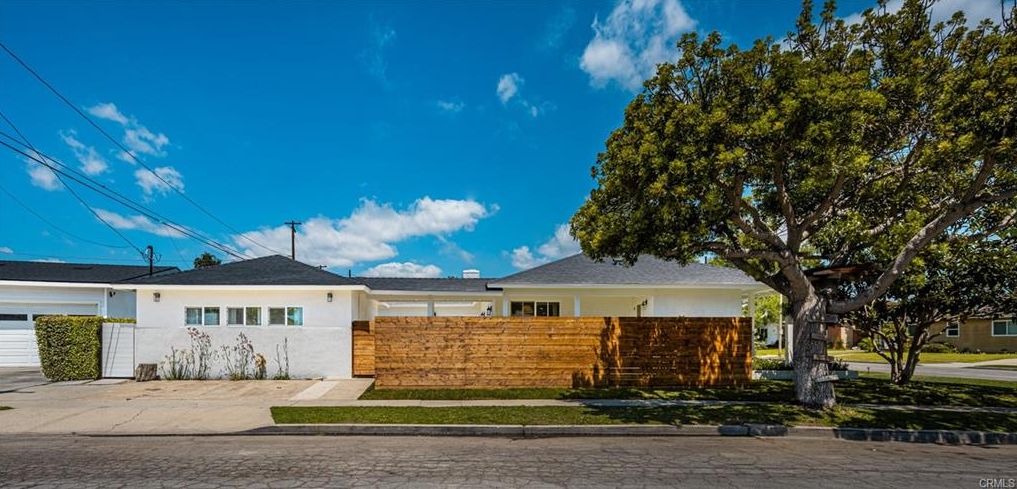
Long Beach is one of the most active ADU markets in LA County — and July's data reinforces why investors and sellers keep a close eye on it. The city is on pace to surpass 800 ADU permits this year, median prices have climbed into the high $800s to low $900s depending on the pocket, and the gap between permitted and unpermitted ADU properties is widening at sale. If you're buying, selling, or holding in Long Beach right now, here's what the numbers are actually telling you.
Where Prices Are Landing
Long Beach came into 2026 with roughly 3.2 months of supply and has tightened further since. Through May 2026, the median sale price across the city was approximately $879,000 — up about 2.3% year over year — with May closes specifically landing near $900,000. Homes are selling in around 56 days on average (down 20% from last year) and closing at roughly 99.5% of list price. That's not a bidding-war market, but it's not a buyer's market either. Correctly priced properties are moving; overpriced ones are sitting.
The ADU layer on top of this matters a lot. A permitted, detached ADU in a well-positioned neighborhood is generating meaningful premiums at sale — both in appraised value and in how fast buyers move. The June 2026 market update covered the live comps in detail; this month, the themes from that data are holding and in some pockets accelerating.
Rental Income Ranges by Neighborhood
Long Beach's ADU rental market is geographically segmented more than most cities in LA County. Where the unit sits — and its proximity to transit, the coast, and downtown — drives the rent ceiling significantly.
Current market rents for ADU-style units in Long Beach by pocket:
Bixby Knolls, Los Altos, Lakewood Village: $2,000–$2,800/month for a 600–1,000 sq ft unit
Belmont Shore, Naples, Bluff Park, California Heights: $2,400–$3,200/month
A Line corridor and downtown-adjacent: $2,600–$3,500/month for a well-finished unit
These are long-term rental figures. Long Beach's Short-Term Rental Ordinance (LBMC Chapter 5.92) permits short-term rentals only in specific zones with a registration requirement — in practice, the default planning assumption for any Long Beach ADU income strategy should be 30-day-or-longer leases unless you've specifically verified STR eligibility for the parcel.
A 750–1,200 sq ft ADU at these rent levels generates $24,000–$42,000+ in annual rental income. Using that ADU rental income to qualify for your mortgage is a separate question — one worth understanding before you write an offer, because Fannie Mae's guidelines on how lenders count that income affect your purchasing power directly.
What Long Beach's ADU Rules Look Like Right Now
Long Beach is currently administering California's state ADU law directly — the city's previous local ordinance (LBMC 21.51.276) no longer applies, and a new local ordinance is still in development. That means HCD's statewide ADU guidelines govern what you can build and where.
Key parameters for Long Beach properties right now:
Detached ADU: Up to 1,200 sq ft, 4 ft setbacks, 16 ft height limit (up to 25 ft in certain configurations with a new primary dwelling)
Attached ADU: Up to 50% of the primary residence floor area
JADU: Up to 500 sq ft, interior conversion of existing space
Parking: Generally required (1 space per ADU), but state law exempts properties within a half mile of public transit, conversions of existing structures, and several other scenarios
Permit timeline: The city must act on a complete application within 60 days per state law — in practice, 30–45 days is common
Single-family and mixed-use properties can add up to three units: one attached ADU, one detached ADU, and one JADU. Multifamily lots can add up to two detached ADUs, plus conversions of non-livable space up to 25% of existing units. That's a lot of runway for well-positioned lots, and it's part of why Long Beach's ADU permit numbers keep climbing.
One program worth knowing about: Long Beach's Backyard Builders loan program recently launched its second round. Eligible lower-income property owners can access up to $250,000 at 2% interest, deferred for 30 years or until the property sells or transfers. If you own a qualifying property and have been hesitating on cost, this program changes the math significantly.
Properties in the Coastal Zone require an administrative Local Coastal Development Permit before building permit submission. Historic district properties face additional design review — typically 2–3 weeks for minor alterations, longer for significant work.
The Permitted vs. Unpermitted Gap Is Real
One of the clearest signals in Long Beach's ADU market right now is how sharply buyers and lenders differentiate between permitted and unpermitted units.
A permitted, detached ADU unlocks the income approach at appraisal — meaning an appraiser can apply a multiplier to the rent the unit generates, which often translates to $300,000–$500,000 in added appraised value for a well-sized, well-finished unit. How that appraisal math actually works is worth reading in full before you price a listing or underwrite a purchase — the difference between how an appraiser handles a permitted vs. unpermitted unit is not subtle.
Under Fannie Mae's appraisal guidelines, income from an unpermitted ADU cannot support the income approach. That limits both your appraised value and your buyer pool. Conventional buyers relying on Fannie Mae or Freddie Mac financing face real friction on unpermitted units — lenders may require the space to be excluded from the appraisal or brought into compliance before funding. FHA and VA buyers face even stricter conditions.
If you're selling a Long Beach property with an unpermitted garage conversion or bootleg unit, the three real options in 2026 lay out exactly how to approach it — from legalization to as-is disclosure to investor-only positioning.
How Long Beach Compares to Nearby Markets
For buyers shopping across LA and OC, Long Beach sits in an interesting middle position right now.
It prices below Costa Mesa and Orange for similar ADU configurations — a new detached ADU deal in Costa Mesa's Mesa Del Mar ran $2.3M in June; the comparable Long Beach deal might be $1.1M–$1.5M depending on neighborhood. The income math pencils more easily at Long Beach prices for investors who are prioritizing cash flow over asset quality.
North Long Beach specifically has emerged as one of the more interesting ADU investment pockets in the county. The case for North Long Beach's ADU pocket — lower land cost, real rental demand, and a lot base that can actually accommodate permitted adds — is playing out in the transaction data right now. Buyers who moved early in that pocket are seeing meaningful equity formation on top of income that works.
Compare that to Anaheim, where ADU deals in the $900K–$1.1M range are moving with similar investor demand but tighter lot configurations. Long Beach's lot depth and mix of multifamily-zoned parcels give it more optionality for investors who want to add units rather than just buy finished product.
If you're running a pure cash-flow model at today's rates, how much down you actually need to break even on an SFR with an ADU in Long Beach is the right place to start — the 25% minimum doesn't get you there at current prices in most pockets, and knowing the real down payment target before you shop saves a lot of wasted time.
What This Means If You're Selling
Long Beach's ADU seller market in July 2026 is rewarding properties that are correctly positioned — permitted units with documented income, strong photos, and a listing strategy that speaks directly to investor buyers. Properties that treat the ADU as an afterthought in the marketing tend to leave money on the table.
How your home is valued when an ADU is involved comes down largely to permit status and whether the appraiser can apply the income approach. Get that right before you list, not mid-escrow.
If you're considering a sale, download the free ADU Seller Kit or schedule a seller consultation before you list.
Data reflects CRMLS and publicly available market data through June/July 2026. Market data should be independently verified. This is not financial or legal advice.
Questions? Call or text Dylan Serna directly at (714) 860-2868.
