Long Beach ADU Market Update: March 2026
Key Market Findings
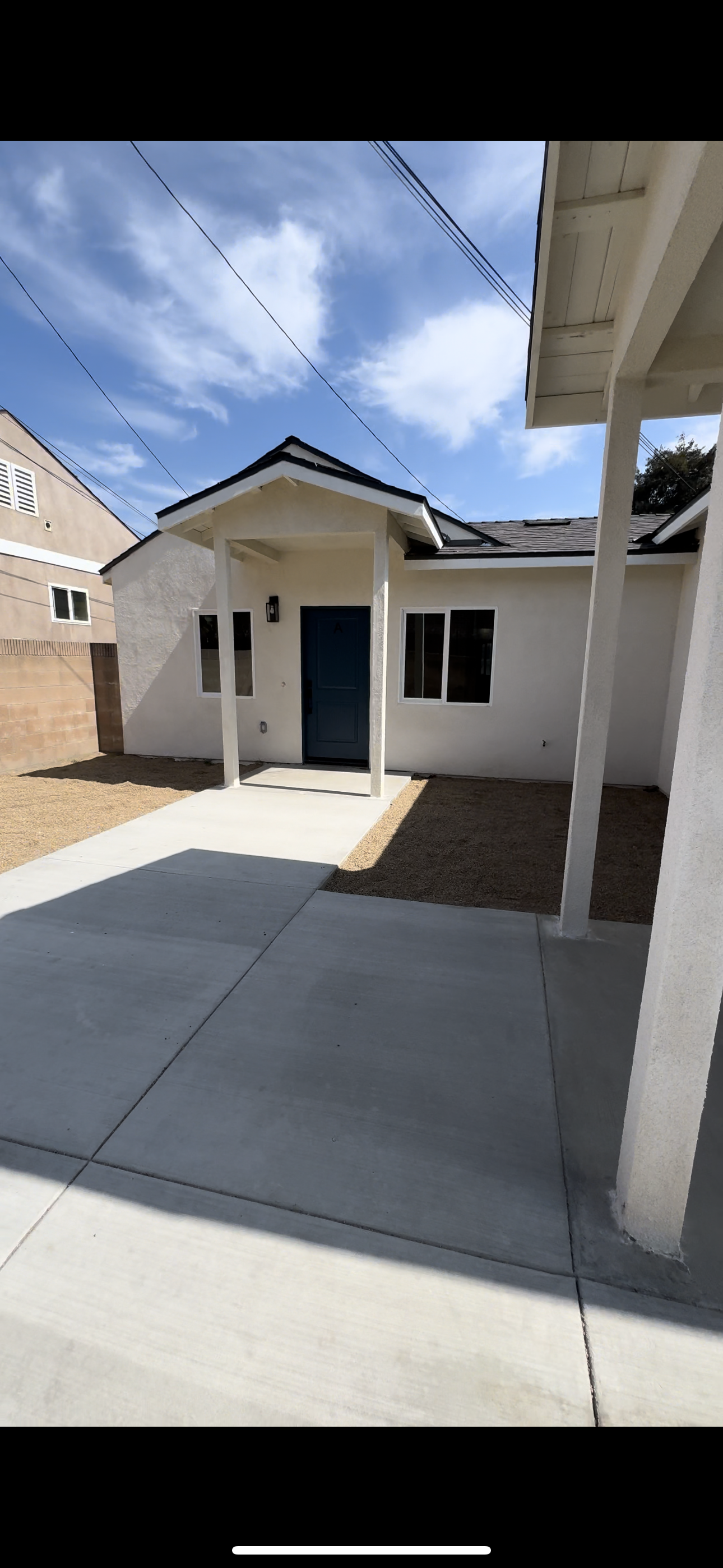
Long Beach SB9 + ADU 2 bed 2 bath ADU in Long Beach with Separate Entrance
Long Beach is one of the more segmented ADU markets in Southern California right now. The entry-level and mid-range are behaving very differently from each other, and the gap between permitted and unpermitted properties is wider than it's been in over a year. Here's what the data looks like through March 2026 and what I expect through the second quarter.
Entry-Level Movement: Fast Sales With Strings Attached
Properties under $700K are moving quickly — some going pending within 10 to 13 days. But the speed is misleading if you don't look at what's actually selling. The fast-moving listings at this price point almost always involve unpermitted units, cash-only requirements, or both. These aren't mainstream buyer transactions. They're investor plays, and the buyer pool is narrow by design.
A $799K listing that sat for 113 days tells the other side of that story. Permitted, conventionally financeable, but overpriced relative to comps and in a neighborhood where buyers are more cautious. Price, condition, and permit status all matter at this level — not just the price tag. If you want to understand why permit status has this kind of impact on days-on-market, the financing dynamics that affect ADU buyer pools are worth understanding before you list.
Recent Closings Worth Noting
Two closings stood out in March. A La Marina Estates property sold for $2.695M in two days — cash, fully renovated, junior ADU included. That's a sharp transaction, but it's an outlier driven by condition and a specific buyer profile, not a signal about the broader market.
More representative was the Shipway Avenue Cliff May Rancho, which closed at its full asking price of $1.649M with conventional financing after 44 days. Permitted detached ADU, well-documented rental income, conventional loan. That's the product profile that's working in Long Beach right now.
A quadruplex in the Wrigley area told a more cautionary story — price dropped from $1.75M to $1.5M despite strong rental income. The problem wasn't the income; it was the appraisal. Fannie Mae's guidelines for appraising secondary dwelling units require documented rental history and income verification, and properties that can't produce that paperwork are getting hammered at appraisal. This is the same dynamic I broke down in a recent Long Beach pricing case study — when appraisers can't find the right comps, sellers pay for it.
Where Inventory Is Concentrated
Most of the active inventory sits in the $900K–$1.4M range. This is where you're seeing the most days-on-market variation as well. Correctly priced properties with documented rental income and conventional financing eligibility are moving in 25–40 days. Overpriced listings in transitional neighborhoods are sitting 75 days or longer and facing downward corrections.
The appraisal gap is a real issue here. Seller expectations in some neighborhoods are still anchored to 2024 pricing, and appraisers aren't meeting them there. Before pricing your property, it's worth running the same kind of comp analysis I walk through in Before You Build an ADU in Orange County, Check the Comps First — the methodology applies equally to sellers trying to establish a defensible list price.
What to Expect Through Q2 2026
Inventory in the $1M–$1.4M range will likely stay tight through June. Demand from owner-occupant buyers who want rental income from the ADU is consistent, and interest rates stabilizing in the mid-6s has kept that buyer pool active. I don't expect a wave of new listings — most sellers who were going to move have already moved.
The properties that will trade in this window are the ones that check three boxes: permitted detached ADU, documented rental income (ideally 12+ months of lease history), and pricing that the comps can actually support. Properties missing one of those three will either sit or trade at a discount.
Unpermitted units will continue to trade at a discount in the 10–15% range. That gap isn't closing anytime soon as lenders get more diligent about permit verification — California HCD's ADU compliance standards are the baseline lenders reference when a unit's permit status is in question.
For a comparison market, Fullerton's ADU inventory is showing a similar pattern — strong absorption on permitted detached units, extended days-on-market on anything with documentation gaps. Long Beach buyers are seeing the same dynamic play out.
Where I'd Focus as a Buyer Right Now
If you're shopping in Long Beach, the $1M–$1.4M range with a permitted detached ADU and documented rental history is the most financeable and most liquid product in the market. You're competing with a real buyer pool, but you're also buying something you can actually sell in three years without headaches. The value difference between detached and attached units is worth understanding before you narrow your search — the detached vs. attached breakdown for coastal Orange County applies closely to Long Beach as well.
If you're stretching toward the $1.4M–$1.7M range, make sure you have a lender who understands Fannie Mae's ADU income documentation requirements before you're in contract. Appraisal risk is real in that band right now.
If you own a Long Beach ADU property and want to know how your specific address sits against current comps, reach out. I'll pull the data and walk through the numbers with you.
