What an ADU on an RV Access Lot Actually Looks Like (A Stanton Example)
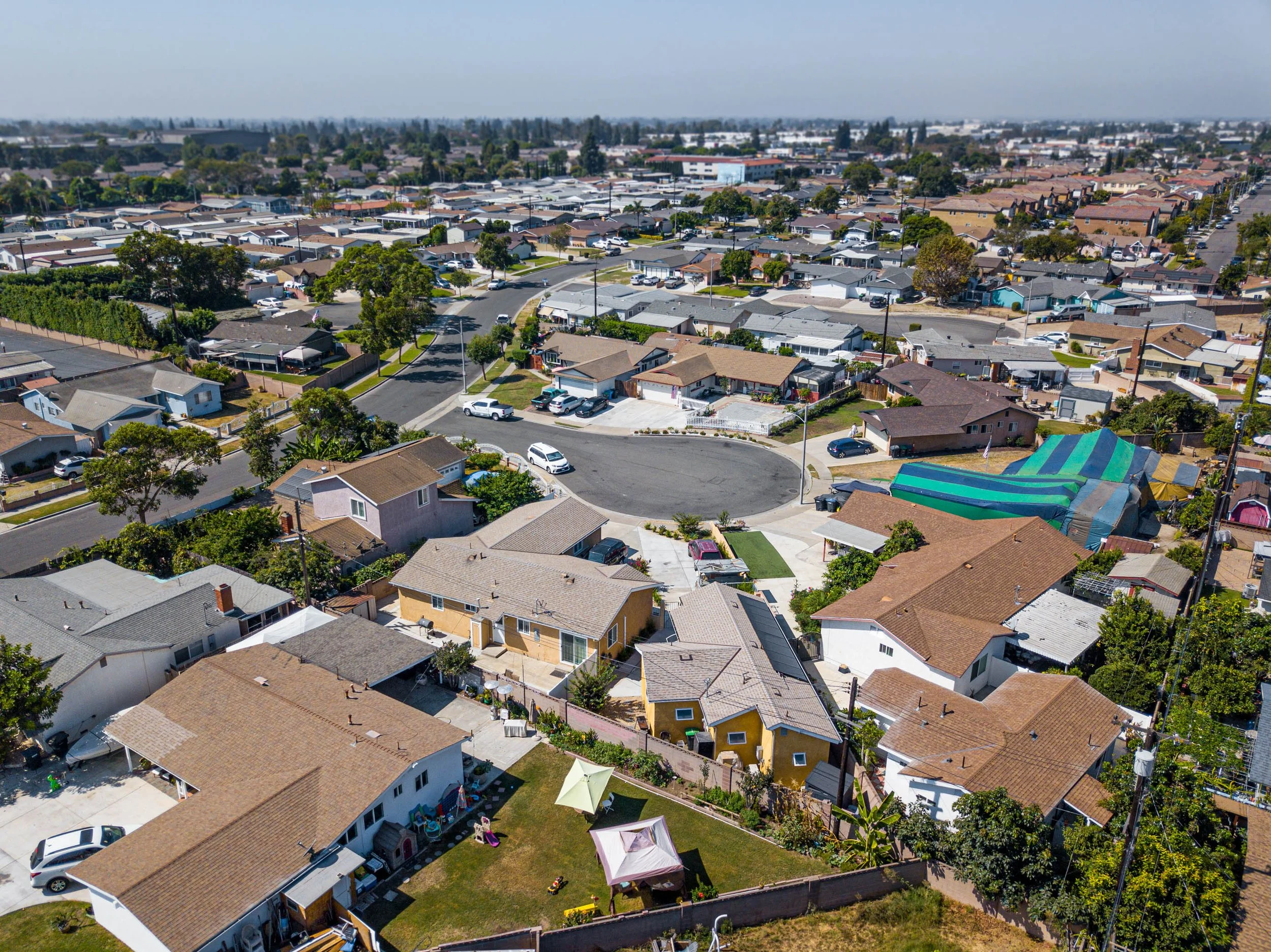
Most buyers scan right past RV access in a listing. They see extra concrete, maybe a place to park a trailer. Investors who know what they're looking at see something else entirely: a future ADU site.
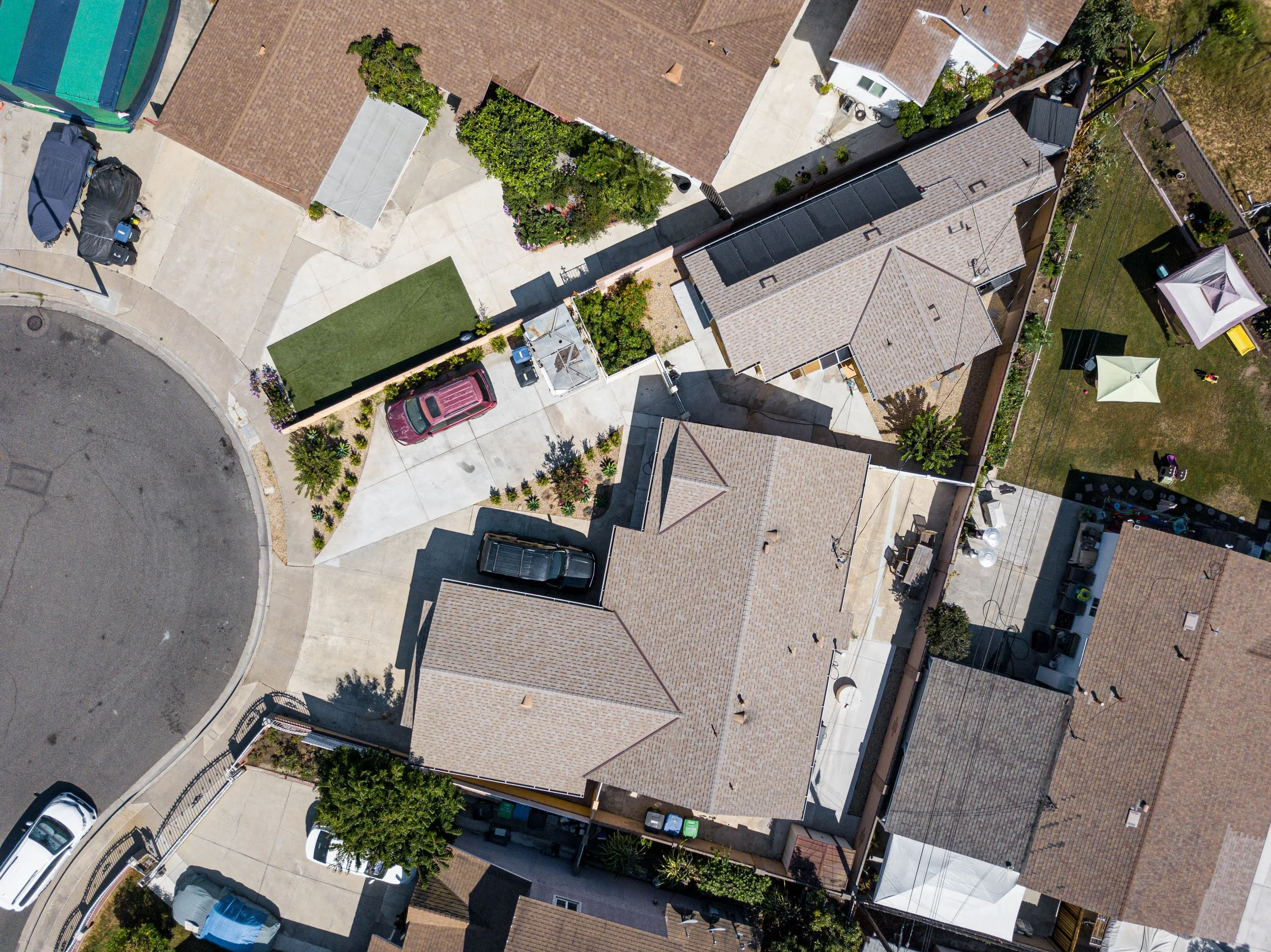
That's exactly what happened on one property in Stanton. The lot originally had RV access — a wide side corridor running alongside the house toward the rear. Instead of parking a boat there, the owner built a 2-bedroom, 2-bathroom ADU on that exact footprint. The driveway was extended all the way back to the unit, giving the ADU its own dedicated access point. A vinyl fence was installed between the ADU and the main house, creating a clean, private separation between the two households.
On paper: a 2 bed/2 bath, 750 square foot ADU at the back of the lot where the RV pad used to be.
In practice: two fully functional households on one parcel, each with its own entrance, its own parking, and their own sense of independence.
The Layout: What It Looks Like on the Ground
The front of the lot works the way you'd expect any single-family home in Stanton to. The main house faces the street, has its own front yard, and its entrance is completely separate from the ADU.
Move toward the side of the property — where an RV might have sat — and the driveway continues. It runs alongside the house and extends all the way to the back where the ADU sits. Tenants pull in, park at the end of the extended driveway, and enter through their own front door. No walking through the main house, no shared entryway, no awkward proximity.
The vinyl fence running between the two units does several things at once: it creates clear visual separation, gives both households genuine privacy, and defines what's whose. Both sides feel like their own space. Nothing about the setup feels temporary or improvised.
Why RV Access Lots Are Worth a Second Look
RV access is one of those listing features that reads differently depending on who's looking. For a family storing a fifth-wheel, it's convenient. For an ADU-focused investor, it's often a signal that the lot has the width and rear depth to support a second unit.
California's ADU framework, administered through the state's Department of Housing and Community Development, was specifically designed to reduce barriers to exactly this kind of development. Stanton has aligned its local ordinances accordingly — the city's Community Development FAQ outlines the ADU standards adopted under Ordinance No. 1108, with 4-foot side and rear setbacks for detached units. A lot that previously accommodated RV access typically already has the clearance needed to meet those requirements.
That's not a guarantee. But it's worth running the numbers before you pass on a listing.
The Numbers on a 750 Sq Ft ADU in Stanton
A 2/2 at 750 square feet is a real rental unit. Not a studio, not a converted garage — a place a family or working couple can genuinely live in. In the current north Orange County rental market, a unit like this rents somewhere in the $1,800–$2,200/month range depending on condition and finishes.
For a buyer who purchases the whole property — main house plus ADU — that back unit's rent is often what makes the deal pencil when it otherwise wouldn't. If you've looked at how cash flow works on OC multi-unit properties, the principle is the same in Stanton: the ADU unit closes the gap between what the property costs you and what it earns you every month.
Stanton doesn't attract the same investor attention as Garden Grove or Costa Mesa, but that's part of what makes it interesting right now. Inventory is thin. There's currently only one active ADU listing in Stanton, and it's been sitting — which means buyers who do their homework have real leverage.
What Makes the Vinyl Fence the Right Call
It's a small detail that matters more than it looks like it does. Vinyl fencing is low-maintenance, clean, and holds up in Southern California's climate without the warping or splitting you get with wood. When you're separating two households on one parcel, you want a boundary that reads as intentional and permanent.
It also protects both tenancies. The main house side gets privacy. The ADU tenants feel like they have their own yard and space. Both are more likely to stay longer, which means lower turnover — which matters more than most landlords account for when they're running projections.
If you're configuring a lot with an ADU, vinyl or block wall is the call. Chain link is functional but signals you didn't think it through. Wood looks fine for two seasons, then it doesn't.
Is This the Right Property Type for You?
If you're running searches in Stanton and you see RV access in the listing features, don't scroll past. Look at the lot dimensions. If the rear or side corridor is deep enough — and under current California law, the threshold is lower than most people realize — you might be looking at a two-income property that's only marketed as one.
That's the whole idea behind how to find and evaluate ADU properties in Orange County: spotting the potential that's already sitting there, just waiting for someone to see it.
