What to Do Before You Talk to a Realtor About Selling Your ADU Property
Before you get on the phone with an agent, there are four things every ADU seller should have done — or at least started. If you walk into that first meeting prepared, your agent can give you real answers instead of estimates. You'll move faster, you'll avoid surprises in escrow, and you'll have actual leverage in the conversation. Here's what to do before selling your ADU property, and why each step matters more than most sellers realize.
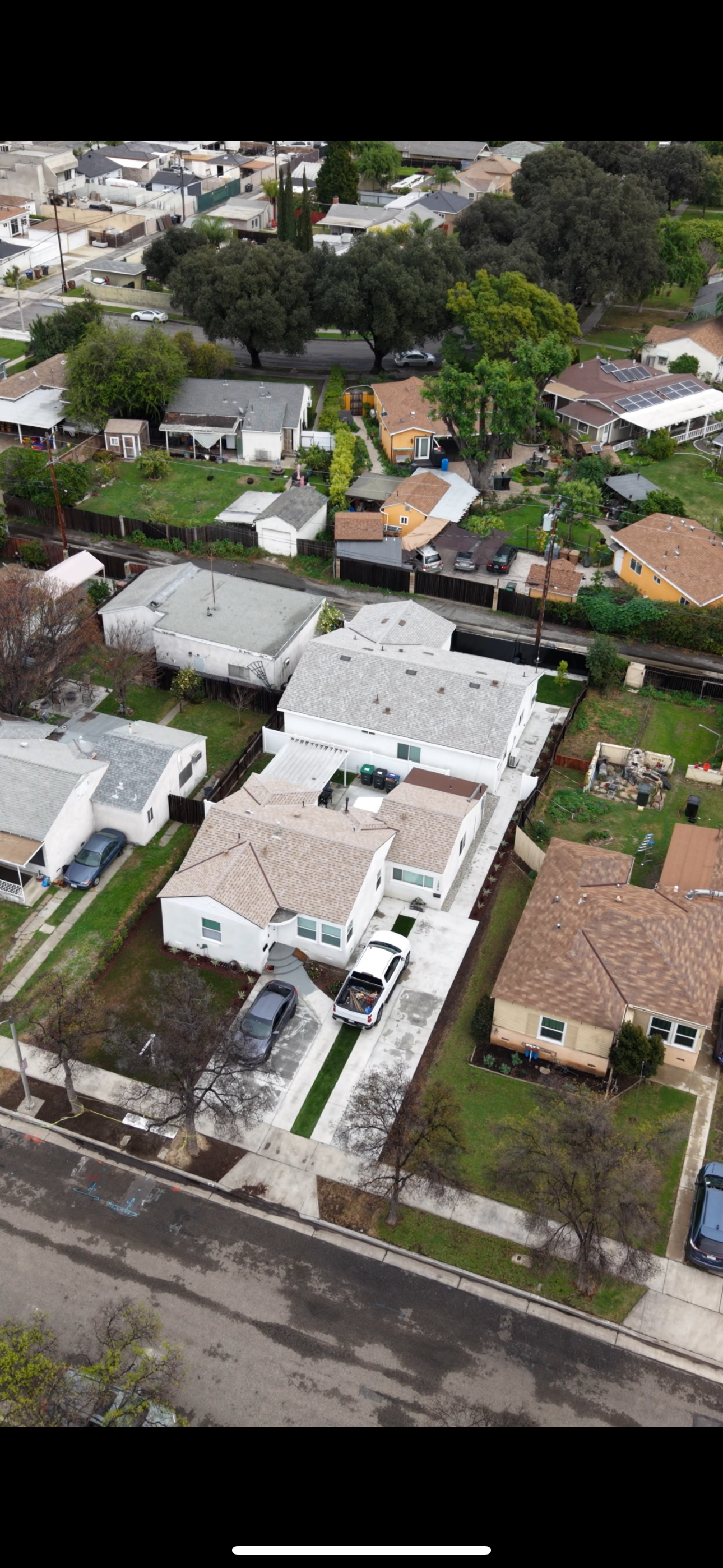
ADU in Fullerton being marketed - aerial view
Step 1: Get Your Permit History From the City Before Anything Else
This is the one that most sellers skip — and the one that causes the most problems later.
Contact your city's building department and request the full permit history for your property. You want to see every permit pulled for the ADU: original construction, any additions, conversions, electrical, plumbing. Ask them to email it to you so you have it in writing.
Then compare it against what you think you have. Specifically: does the permitted square footage match the actual square footage of the unit?
This matters more than people realize, and I can tell you exactly why — because I've seen what happens when it doesn't.
I was working with a buyer searching for a property in Long Beach with an existing ADU. The listing said it had a 500 sq ft JADU and an 800 sq ft ADU. When we requested the actual permit paperwork, the picture looked completely different: what was described as the JADU was actually a permitted ADU — but only 200 sq ft. And what was listed as the 800 sq ft ADU was actually an SB9 unit at 500 sq ft. That's not a rounding error. That's a difference of over $150,000 in appraised value, because ADU square footage drives income assumptions, and income assumptions drive price.
We were lucky — we weren't in escrow yet. And this kind of gap between listed value and actual permitted value is more common than most buyers and sellers expect.
Sellers aren't always trying to mislead anyone. Sometimes they inherited the property. Sometimes they're going off old MLS data. Sometimes the listing agent didn't do their homework. But none of that matters when the appraisal comes in low and the deal falls apart.
Do yourself a favor: get the permit email before you list, verify the square footage, and know exactly what you're selling.
Step 2: Gather Your Rental Paperwork If You Have a Tenant
If someone is living in your ADU, you need to understand your paperwork situation before an agent can give you an honest timeline.
There are three scenarios — and they're not equal:
Month-to-month tenancy gives you the most flexibility. California law requires you to give proper notice (60 days for tenants who've lived there a year or more, 30 days for under a year), but you're not locked into a fixed end date. This is the most seller-friendly situation.
Active fixed-term lease means you're generally obligated to let the tenancy run out before requiring the tenant to vacate — unless the buyer intends to occupy the unit themselves and the lease has the right provisions. This can affect your listing timeline significantly. Know your lease terms before you list, not after you're already in escrow.
Tenant who has lived in the property for 1+ year triggers California's just-cause eviction protections under AB 1482. This doesn't mean you can't sell — but it does mean you may have additional obligations. In some jurisdictions, relocation assistance may be required. This is something your agent needs to know upfront so you can factor it into your net proceeds calculation and timeline.
Pull out your lease, note the start date, and check whether it's fixed or month-to-month. If you can't find the lease, request a copy from your tenant or check your records. This is information an experienced ADU agent needs on day one. And if you're already thinking ahead to how showings will work with a tenant in place, this guide covers exactly how to handle it.
Step 3: Understand Your Tenant's Situation Before Your Realtor Does
This goes hand in hand with the paperwork, but it's slightly different. The paperwork tells you what's legal. This is about what's real.
How long has your tenant actually been living there? Are they current on rent? Is the relationship solid, or is there tension? Do they know you're thinking about selling?
These aren't invasive questions — they're practical ones. Tenants have rights, and a good agent will help you navigate that. But if your agent walks into the situation blind, the first awkward tenant conversation can easily derail a showing schedule, delay your timeline, or create friction right when you need things to move smoothly. It's worth understanding why occupied ADU properties in OC often take longer to sell — not to scare you, but so you can plan around it.
The more honestly you can describe the tenant situation upfront, the better your agent can structure the listing strategy around it — including how showings are handled, how the tenant is notified, and whether a cash-for-keys arrangement makes sense before you go active.
Step 4: Write Down Your Real Questions Before the Meeting
Your realtor is supposed to be on your side. That's the whole point. But a lot of sellers show up to the first meeting without their actual concerns written down — and then the conversation gets dominated by listing pitch instead of real strategy.
Before you call anyone, write down what you actually want to know:
Timing: Do I need to be out by a certain date? How long does this typically take? Here's what a realistic ADU seller's timeline actually looks like from listing to close.
Net proceeds: After agent fees, taxes, and tenant costs — what am I actually walking away with?
Tenant concerns: What happens to my tenant? What am I legally required to do?
Market questions: Is now the right time, or should I wait? What are ADU properties actually selling for near me?
Anything that's keeping you up at night about this decision
There are no bad questions. The point is to go into that first conversation knowing what you want to get out of it. An agent who is actually working for you will have answers — or will tell you honestly when they need to find one.
If an agent rushes past your questions to get to the listing agreement, that's information too.
The Bottom Line
Selling an ADU property is not the same as selling a standard single-family home. The permit history, the tenant situation, the lease terms — all of it shapes your timeline, your price, and your options. The sellers who come in prepared get better results, move faster through escrow, and avoid the surprises that kill deals.
Do the work upfront. Your future self — and your closing day — will thank you.
Thinking about selling your ADU property in Orange County or LA? I specialize in ADU listings and I work through all of this with you before we ever talk about price. Contact Dylan and let's start with the real questions.
